

Approximately 10–20 million tons of plastic end up in the oceans each year.
A recent study conservatively estimated that 5.25 trillion plastic particles weighing a total of 268,940 tons are currently floating in the world’s oceans.
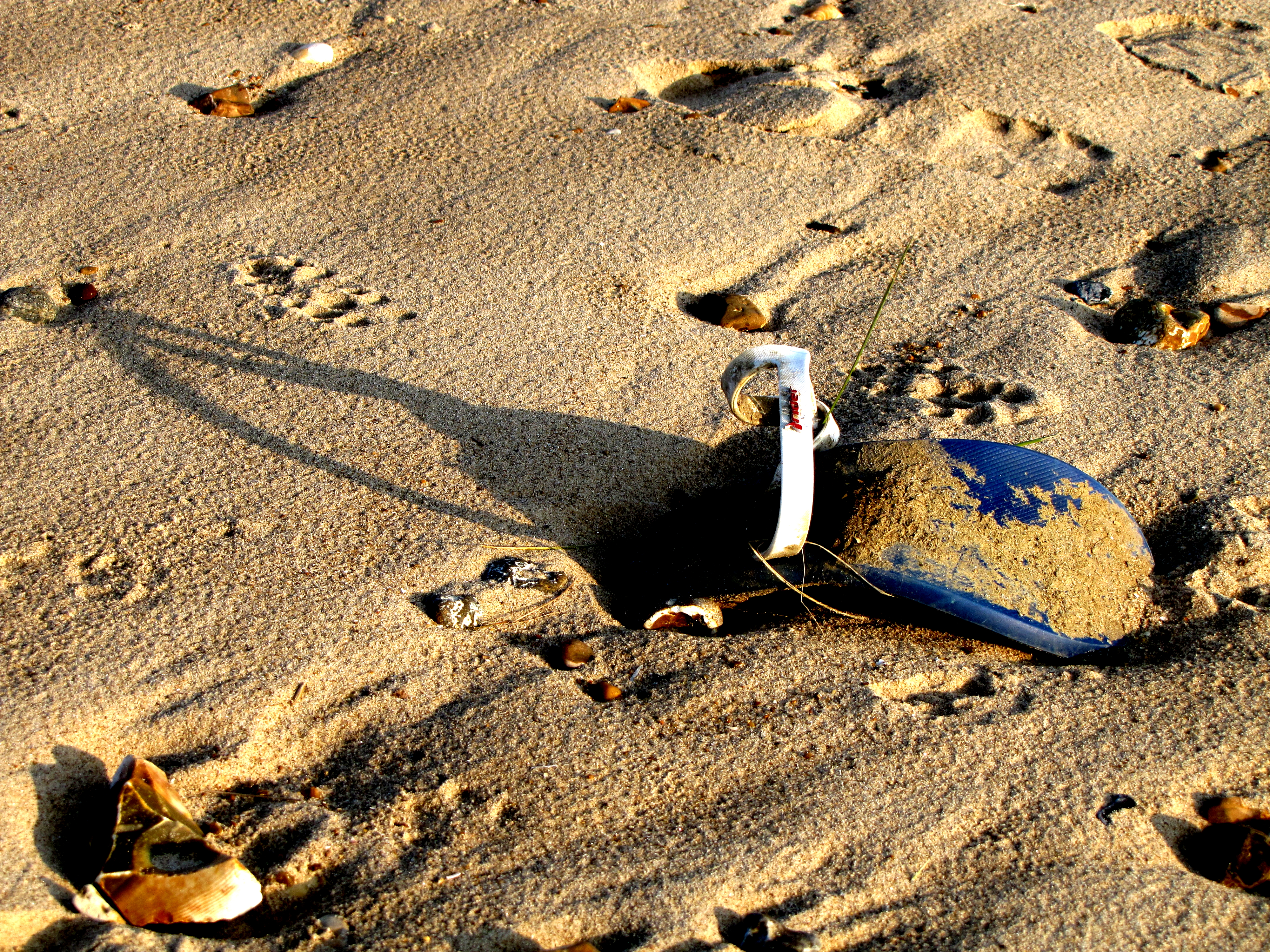
A study in Science Magazine in 2015 estimated that around 8m tonnes of plastic go into the sea each year.
While many plastics don’t biodegrade, they do photodegrade – UV exposure eventually breaks all those plastic bottles and bags down into tiny pieces, which, in common with microbeads and fibres, potentially leach toxic chemical additives – PCBs, pesticides, flame retardants – put there by manufacturers. These tiny particles look like food to some species, and, last November, new research showed that common plastics attract a thin layer of marine algae, making them smell like nutritious food.
Surveys have shown year after year that plastics make up the majority of debris found on beaches, both in the UK and many other countries around the world. In the Southern hemisphere, half of all debris found on remote island beaches can be made of plastic.
Our ‘throw-away’ consumer culture means that a growing number of unwanted plastic items are discarded into our seas and onto our beaches every year, posing a threat to both ourselves and wildlife. A recent study by the United Nations Environment Programme (UNEP) estimated that there were 46,000 pieces of plastic litter per square mile.
Plastics are extremely durable, lightweight, cheap and versatile – features which mean that they have replaced many traditional materials such as metal, glass and wood. Unfortunately these features have also made them the most pervasive, persistent and hazardous form of litter in the marine environment.
Floating debris can also be transported substantial distances by wind and currents, resulting in the deposition of items from many different countries on beaches around the world. Litter can travel thousands of miles around the world’s oceans.
In just one week, from bottled water alone, the US produces enough discarded bottles to circle the planet five times.
The idea of the circular economy is taking hold; there is now broad agreement that industry needs to move towards products that maximise recycling and re-use.
Marine pollution is a combination of chemicals and rubbish, most of which comes from land sources and is washed or blown into the ocean. This pollution results in damage to the environment, to the health of all organisms, and to economic structures worldwide.
The most toxic waste material dumped into the ocean includes dredged material, industrial waste, sewage sludge, and radioactive waste.
Dredging contributes about 80% of all waste dumped into the ocean, adding up to several million tons of material dumped each year.
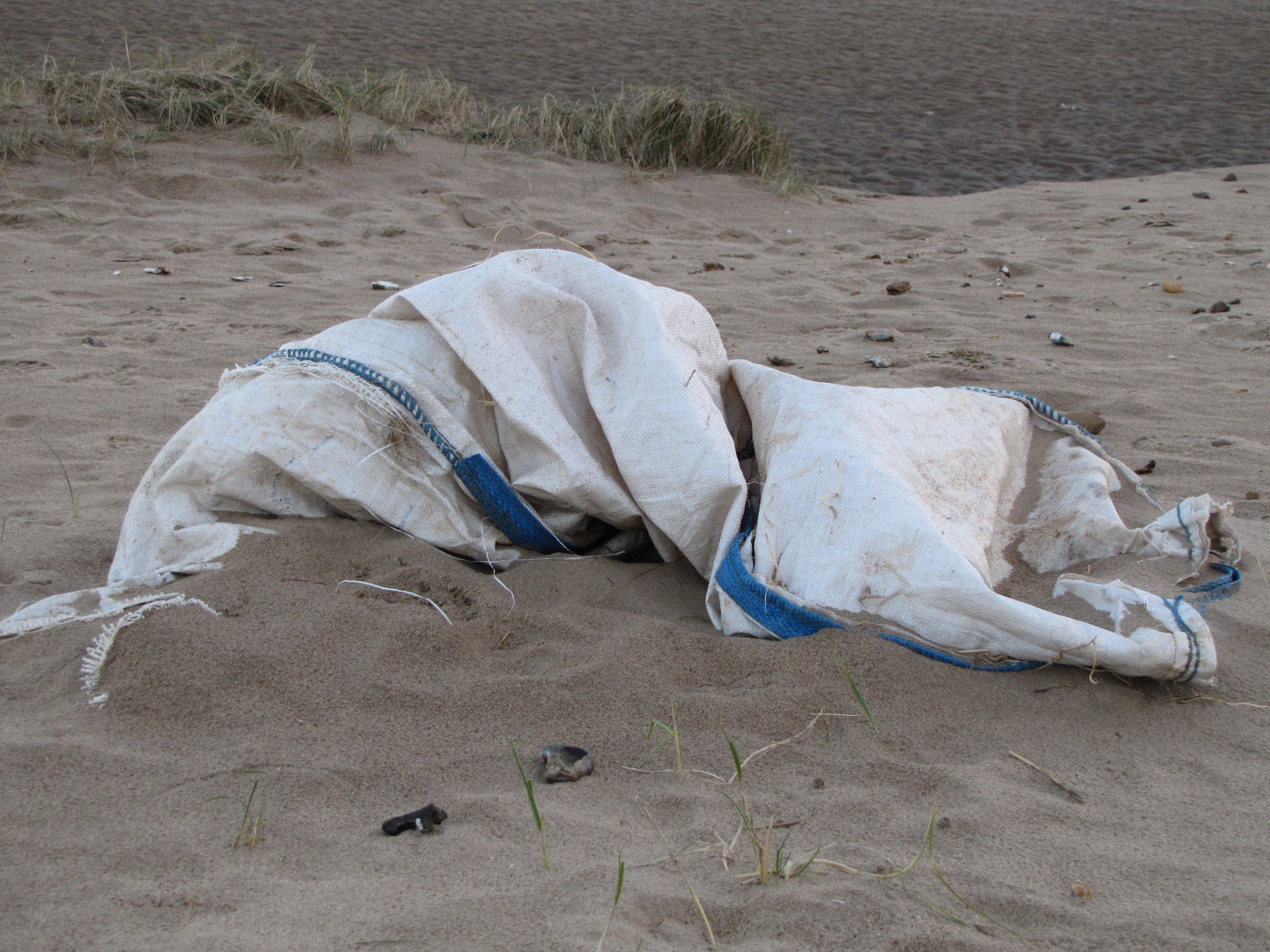
This sack is part of the 20% that is not dredged waste.
This sack is probably made from woven polypropylene, which is a process with low impact on the environment—no toxic waste, no toxic emissions, no fluorocarbons and no halogens. This is good news.
The bad news is that the disposal of such sacks is careless.
They are blow into the sea or the sacks are deliberately dumped in bodies of water.
Most of these sacks will float if they reach water, and can take 500 to 1,000 years to completely degrade.
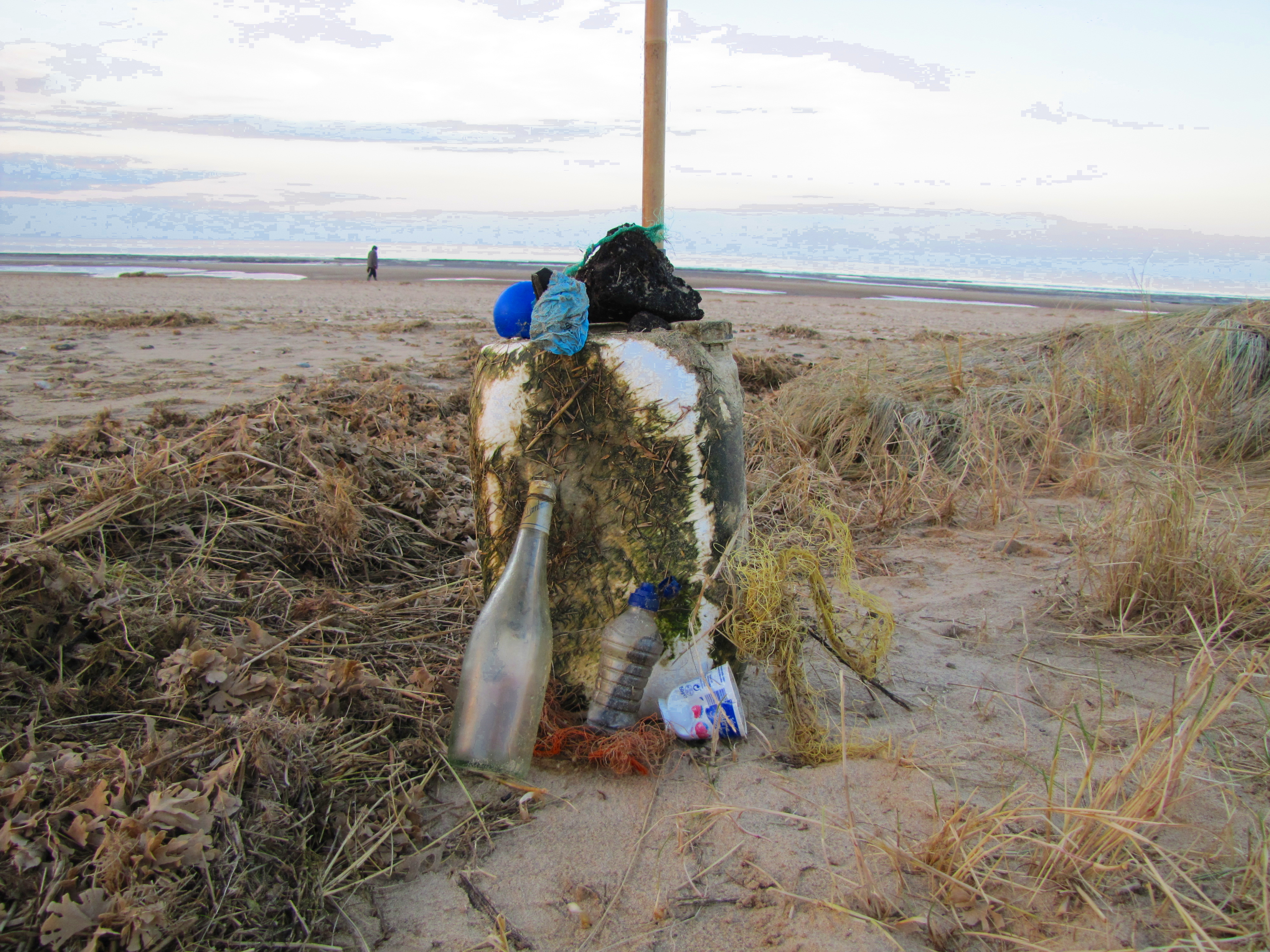
60% – 80% of marine rubbish is made of plastic.
There is an island of rubbish in the Pacific that is 5 times the size of the UK, which is equivalent to the size of South Africa or the combined land area of Germany, Poland, Italy and France.
 alancossinsART